


Ever notice how some people’s skin looks naturally more even, even without heavy foundation? A lot of the time, it comes down to color-correcting concealers. Instead of hiding everything with one layer of skin-tone concealer, they work by neutralizing specific discolorations first, so the final result looks more balanced and natural.
They’re especially helpful if you deal with under-eye darkness, redness around the nose or cheeks, or a complexion that looks a bit dull or uneven.
Figuring Out What You Actually Need
The first step in mastering color correction is understanding your skin’s specific concerns. Each skin problem requires a specific color correction shade to neutralize and balance out a particular tone.
Assessment of Skin Concerns
Look closely at your skin under natural light. Do you see any redness, dark circles, or sallow areas? These are common concerns, and each can be addressed with the right color corrector.
Redness usually appears on the cheeks; it might also show up around the nose or in patches on the face. Dark circles typically appear under the eyes, while sallow or dull skin can make your complexion look tired or uneven.
Matching Colors for Concerns
So, after knowing what your most prominent skin problems are, you can now select the appropriate color corrector:
· Green - counteracts redness and is excellent for blemishes or rosacea.
· Peach or orange - works well at neutralizing blue-toned dark circles, perfect for lighter skin tones.
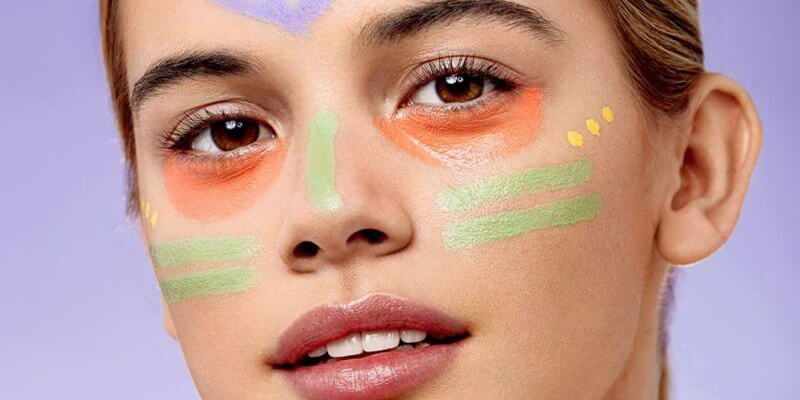
· Red or deep orange - best for dark circles on darker skin tones
· Yellow — brightens dull or sallow skin and helps conceal purple-toned bruises.
· Lavender — neutralizes yellow tones and helps brighten pale or ashy skin.
Considering Your Skin Tone
Your overall skin tone also plays an important role in selecting the right color corrector. For example, lighter skin tones require less intense correction, while deeper skin tones often benefit from more pigmented formulas.
It is always advisable to test color correctors on your skin before purchasing to ensure they blend well and deliver the desired effect.
Top Color Correcting Concealer Products to Check out
You may discover that the right color-correcting concealer can transform your makeup routine from frustrating to effortless. Here are some top-of-the-line products that you might want to check out:
Drugstore Favorites
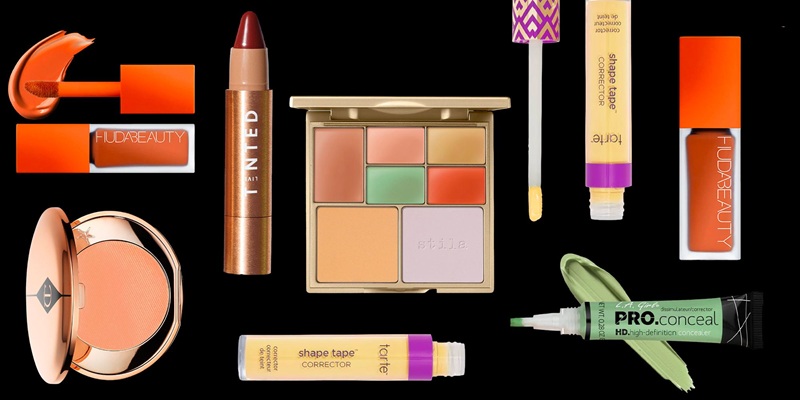
In the drugstore category, products like the NYX Professional Makeup Color Correcting Concealer Palette offer multiple shades to address different concerns. Another option is the L'Oréal Paris True Match Color Correcting Crayon, which comes in easy-to-use stick formats for targeted application.
High-End Holy Grails
If you’re willing to invest in higher-end products, several luxury brands offer excellent color-correcting options.
Yves Saint Laurent Touche Éclat Neutralizer comes in three shades with a lightweight, brightening formula, while the Bobbi Brown Corrector is a cult favorite for effectively neutralizing under-eye darkness.
Multi-Tasking Marvels
Some products go beyond basic color correction. The Lancôme Teint Idole Ultra Wear Camouflage Corrector can double as a full-coverage concealer, while the Stila Correct & Perfect All-in-One Color Correcting Palette provides multiple shades for a complete complexion solution.
Clean Beauty Options
If you prefer cleaner or more natural formulations, several brands offer effective alternatives. RMS Beauty "Un" Cover-Up Concealer provides buildable coverage with skin-friendly ingredients, while Juice Beauty PHYTO-PIGMENTS Perfecting Concealer combines color correction with skincare benefits.
K-Beauty Innovations
Korean beauty brands are known for innovative formulas and lightweight textures. The TOUCH IN SOL No Poreblem Primer Color Correcting Base offers brightening and pore-blurring benefits, while the Innisfree My Concealer Wide Cover provides reliable coverage in a variety of corrective shades.
Achieving a Flawless Complexion with Color-Correcting Concealers
Color-correcting concealers are a staple in many makeup artists’ kits. They help create a more even base, allowing foundation and concealer to perform better. Let’s look at how to use them effectively.
Understand Color Theory
The effectiveness of color-correcting concealers is based on simple color theory. Opposite colors on the color wheel cancel each other out. This principle helps neutralize unwanted tones in the skin. For example, green concealer counteracts redness, while purple helps balance yellow or sallow tones.
Picking the Right Shade
Choosing the right color-correcting concealer is essential for achieving the desired effect. Here is a quick guide:
· Green: for redness from acne, rosacea, or sunburn
· Lavender: for brightening dull or sallow skin
· Peach: for covering under-eye dark circles on lighter skin tones
· Orange: for neutralizing blue-toned under-eye circles on deeper skin tones
· Yellow: to neutralize bruises or visible veins with bluish-purple tones
Application Techniques
To correctly use color-correcting concealer, apply a small amount before foundation and gently pat it into the skin using your fingertip or a small brush. Blend the edges carefully so there are no harsh lines. Follow with foundation and then your regular concealer if needed.
Layering for Maximum Impact
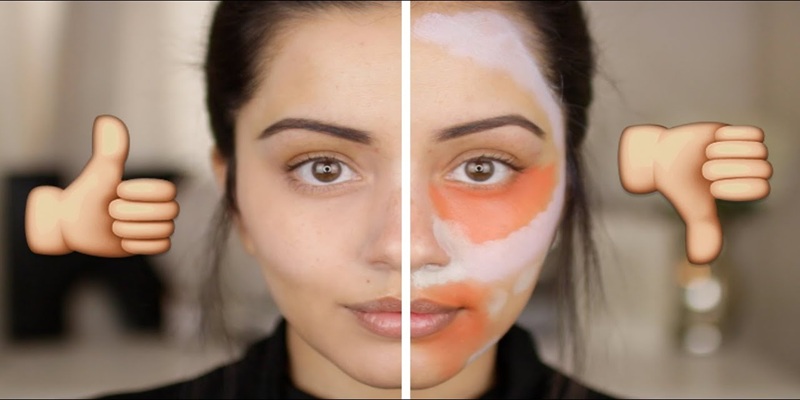
For more noticeable discoloration, try layering correctors. Apply a thin layer first, then add another correcting shade, such as peach or yellow, to brighten further. This technique works especially well for stubborn dark circles or hyperpigmentation.
Color-Correcting Concealer Hacks: Tips and Tricks
Master the Art of Layering
Layering is important when working with color-correcting concealers. Apply a very thin layer and blend gently. Finish with your regular concealer or foundation for a seamless look. Less is more, as adding product is easier than removing excess.
Personalized Palette
Don’t hesitate to mix and match different correctors to address multiple concerns. For example, use green around the nose to reduce redness and peach under the eyes for dark circles. Adjust combinations based on your skin tone and needs.
Setting Long-lastingness
To ensure your color correction lasts throughout the day, set it with a light dusting of translucent powder. Use a fluffy brush and focus on areas prone to creasing or fading. This helps lock everything in place and maintain a smooth finish.
Practice Makes Perfect
Like any makeup technique, color correction improves with practice. Results may not be perfect at first, but experimenting will help you understand what works best for your skin. Over time, you’ll develop a routine that gives you a balanced, even complexion.
Mastering the Art of Color Correction
You can achieve a more natural-looking, even base by incorporating color-correcting concealers into your routine. Start with a light hand, build coverage gradually, and blend thoroughly for a seamless finish. Experiment with different shades to address your specific concerns. With practice, these techniques will help you create a smooth, balanced canvas for the rest of your makeup.