


Ever put on foundation in the morning and by lunch it’s broken apart into a messy, patchy disaster? That’s annoying. The fix? You don’t need a complicated routine. Just a few small changes can help your makeup last.
Makeup separation happens to everyone. It comes from how you prep your skin, which products you use, and your daily habits. Focus on fixing those three areas.
What Is Makeup Separation Anyway?
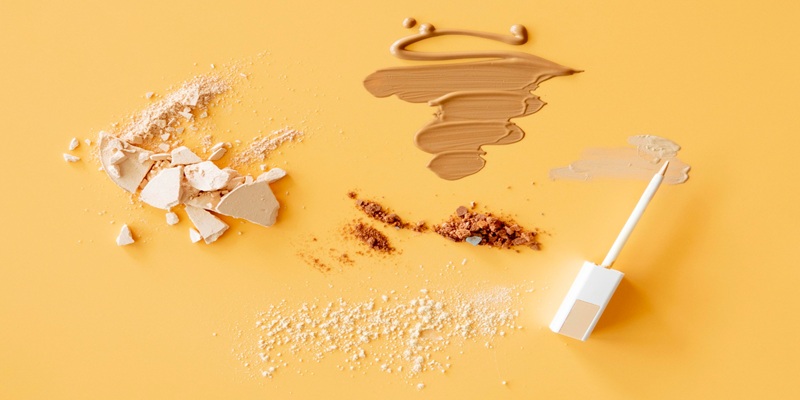
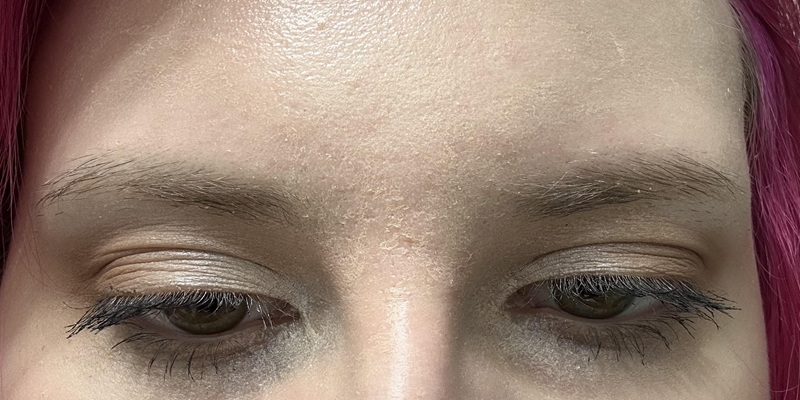
Makeup separation is the term for when your makeup products, like foundation or concealer, start to split and make little dots, streaks, or oily patches, and the ref liquid separates from the solids in a base product. You might see this mostly around the nose, forehead, and cheeks because that is where the sweat and oil hit the most.
This problem occurs not only with cheap makeup products but also with higher-end makeup. Consider it your skin rejecting the products, making it look "cakey" or not blended.
Why Does Makeup Separation Happen?
One of the biggest reasons is excess oil production. If your skin is oily, it can push through makeup and break it down. If you notice a shiny T-zone (forehead, nose, and chin), that is where the oil is coming from and where it's mixing with your base, causing this makeup separation.
Skin issues are a factor, too. If there is not enough moisture, skin tends to get flaky. Foundation will cling to the flaky areas and will eventually separate, leaving your skin exposed. Dry winters and humid summers make this worse.
Using the wrong products is another issue. If you prime your face with a silicone-based primer and then apply a water-based foundation, it creates a slippery layer that prevents anything from sticking. Always match your formulas.
Using too many layers can overwhelm skin. It can cause something called pilling. This is where products can get clogged and separate rather than blend.
Using the wrong application technique can also lead to product failure. Rubbing instead of patting, or skipping wait times between steps, can disrupt product bonds. Dirty brushes can weaken the hold of the products as they harbor bacteria, while damp sponges help.
Step-by-Step Guide to Flawless Application
- Washing your face with a gentle cleanser will remove the oils and dirt that clog your pores. Pat dry; rubbing will pull moisture away and irritate the skin.
- Use a moisturizer, but make sure it is suited to your skin. If you are oily, use a gel; if you're dry, use a cream. Put a pea-sized amount, and wait 5 minutes for your skin to absorb it. This will help to smooth the surface.
- Match your foundation base with your primer: silicone with silicone, water with water. Apply a little dot on your nose and blend it outwards. Wait 2 minutes for it to set.
- Use foundation with a light hand. Grab your sponge or brush, and with one or two pumps in your hand, dab it onto your face. Wait for it to dry before adding more.
- Dust a setting powder on your chin and forehead. This powder will soak up oil without adding a layer. Leave the under-eye area alone for now. Grab a different setting powder and add some to your under-eye area. Wait for it to dry; this is called baking.
- Hydrate your skin and set your makeup with a setting spray containing hyaluronic acid. Grab your sponge, and hold the spray about a foot and a half away from your face.
- Use blotting paper to soak up oil without messing with your makeup. If your makeup needs something more, use a setting powder again, but make sure it's not too much, or it will not look good.
Daily Habits That Keep It Together
- Exfoliating with chemical-based scrubs, such as Salicylic Acid, keeps skin smooth. Dead skin can cause rough patches, but don't over-exfoliate, as that can do more harm than good.
- Making dietary changes can help with skin. Reduce fried foods and high glycemic snacks (like chips and white bread) for two weeks. Drink at least 2 liters of water daily. This lowers overall skin oiliness, which reduces foundation breakdown.
- Make sure to store your products in a cool place. If an oily layer starts forming on top of the product, give it a good shake.
- Before applying the product to your face, test it on small, sensitive areas of your skin to see if you have an allergic reaction. If products still don't mix well, try to use entirely different products. One little ingredient can cause a bad reaction.
- If you are in a place with high humidity, oily or matte foundations are great to use. If you are in a dry area, use a moisturizing foundation.
Troubleshooting Persistent Issues
Your skin type can change due to hormonal shifts (pregnancy, menopause, birth control) or medications (antibiotics, isotretinoin). Visit a dermatologist to rule out rosacea or acne.
Heavy contouring adds multiple layers that increase separation risk. If you contour, use a thin cream or powder only on small areas, not the whole cheek.
Consistent Real Results
Apply these tips one at a time. After three days, check your makeup at lunchtime. If you see no separation around your nose, that tip worked. Keep the ones that help, skip the rest.
Your makeup routine has become a whole lot smoother, so grab your primer and start fresh.
Sources
- 8 Reasons Your Makeup Is Separating—and What You Can Do About It
- Why Foundation Separates & How To Fix It
- How To Stop Foundation Separating