
You don’t need a 10-step routine to see better skin. But adding a hydrating face mask once or twice a week can make a real difference — especially if your skin feels tight, looks dull, or flakes around the nose and chin.
Here’s what happens: sun, wind, indoor heating, air conditioning, and even long flights pull moisture out of your skin. Over time, that loss shows up as rough texture, more noticeable fine lines, and a tired, grayish complexion. Your regular moisturizer helps, but it’s often not enough to reverse that deeper level of dehydration.
A hydrating mask works like a concentrated drink for your skin. In 10 to 20 minutes, it delivers a higher dose of water-binding ingredients than most creams or serums can hold. It won’t fix everything overnight, but used consistently, it restores bounce, softness, and that healthy glow you notice after a good night’s sleep.
How Hydration Actually Works on Your Skin
Your skin has a natural barrier — a mix of oils, ceramides, and dead skin cells — that keeps water inside and irritants out. When that barrier is healthy, your skin feels smooth and looks plump. When it’s damaged (by harsh cleansers, over-exfoliation, or dry air), water escapes too quickly. That’s called transepidermal water loss, or TEWL.
A good hydrating mask tackles this problem in three ways:
Humectants (like hyaluronic acid, glycerin, and aloe vera) pull water from the air and from deeper layers of your skin up to the surface. Think of them as magnets for moisture.
Emollients (like shea butter, squalane, and ceramides) fill the tiny gaps between your skin cells. They smooth rough patches and make the surface feel softer.
Occlusives (like jojoba oil, argan oil, or beeswax) form a thin, breathable film that slows down water evaporation. They lock everything in.
Most hydrating masks combine all three types. That’s why they work faster and deeper than a standard moisturizer, which usually has lower concentrations of these ingredients.
What a Hydrating Face Mask Actually Does (Benefits, Plainly Stated)
1. Gives You an Immediate Moisture Boost
Within 15–20 minutes, your skin feels less tight, looks less dull, and makeup glides on more smoothly. This is why people reach for a mask before a wedding, a presentation, or a night out. It’s not a permanent fix, but it’s a reliable one when you need quick results.
2. Helps Repair a Weakened Skin Barrier
If your skin stings when you apply products that never bothered you before, or if it feels raw after washing, your barrier is likely damaged. Using a hydrating mask regularly (once or twice a week) gives your skin the raw materials it needs to rebuild those protective lipids. Over a few weeks, you’ll notice less redness and fewer random breakouts from irritation.
3. Softens Texture and Diminishes Dryness-Related Fine Lines
Dehydrated skin makes fine lines look deeper. When you add water back, the skin plumps up, and those lines become less obvious. A hydrating mask won’t erase wrinkles caused by aging or sun damage, but it stops dryness from making them look worse than they actually are.
4. Works for Oily Skin Too – Here’s Why
A lot of people with oily skin skip hydration because they’re afraid of looking greasy. But here’s the catch: when your skin is dehydrated, it sometimes overproduces oil to compensate. That leads to shine, clogged pores, and more breakouts. A lightweight gel-based hydrating mask can break that cycle. It adds water without adding oil, so your skin feels balanced rather than tight or slick.
Types of Hydrating Face Masks – Which One Fits Your Routine?
Not all hydrating masks feel the same on your skin. Here’s how to pick.
Cream Masks
Thick, rich, and soothing. These are great for dry or sensitive skin, especially in winter. Look for ingredients like shea butter, oat extract, or ceramides. Avoid heavy fragrances if your skin reacts easily.
Best for: Dry, flaky, or mature skin.
Gel Masks
Lightweight, often clear or translucent, and cooling. Gel masks hydrate without leaving a greasy film. Many contain aloe vera, hyaluronic acid, or cucumber extract. They’re also a good choice if you live in a humid climate.
Best for: Oily, combination, or acne-prone skin.
Sheet Masks
A thin fabric sheet soaked in serum. The sheet keeps the serum from evaporating too quickly, which forces more ingredients into your skin. They’re single-use, travel-friendly, and require no rinsing (just pat in the leftover serum). The downside: they create waste, and the fit can be awkward on some face shapes.
Best for: Travel, quick fixes, or trying new ingredients without buying a full-size tub.
Overnight (Sleeping) Masks
These are designed to be left on for 6–8 hours. They’re usually thicker or more occlusive, so they don’t rub off on your pillow. While you sleep, your skin’s repair cycle is most active, and the mask ingredients get more time to absorb. Wash off in the morning.
Best for: Very dry skin, cold weather, or anyone who forgets to rinse off a regular mask.
How to Use a Hydrating Face Mask (Step by Step)
You can slap on any mask, but a few small steps make a big difference.
1. Cleanse your face.
Use your normal gentle cleanser. Don’t skip this – dirt and leftover makeup block the mask’s ingredients.
2. Exfoliate lightly (once or twice a week only).
If you use a scrub or a low-percent AHA toner beforehand, you remove dead skin cells that slow down absorption. But don’t overdo it. On exfoliation days, stick to a simple hydrating mask – no strong acids or retinoids afterward.
3. Apply the mask evenly.
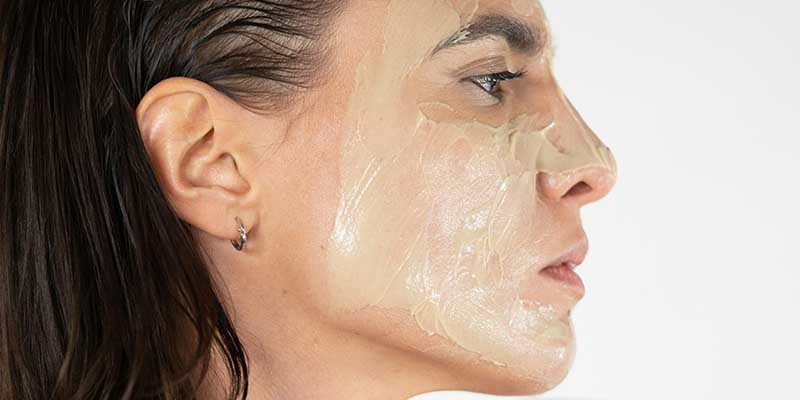
For cream or gel masks, use clean fingers or a silicone brush. Spread a layer thick enough to hide your skin color. For sheet masks, unfold carefully, line up the holes for your eyes and mouth, then press out air bubbles.
4. Set a timer.
Check the instructions. Most masks need 10–20 minutes. Leaving a clay-based mask on too long can reverse the effect (it starts pulling water out of your skin). Even hydrating masks can overstrip if you ignore the clock.
5. Remove the mask properly.
Rinse-off masks: Use lukewarm water and a soft cloth. Don’t scrub.
Sheet masks: Peel off, then pat the leftover serum into your skin. No rinsing needed.
Overnight masks: Leave on and wash off in the morning.
6. Lock it in.
After removing the mask, apply your regular moisturizer or a few drops of facial oil. This seals the hydration you just added. Without this step, some of that water will evaporate within an hour.
When to Reach for a Hydrating Mask (Real-Life Situations)
Once or twice a week: as standard maintenance for normal or slightly dry skin.
The night before an event: so your makeup looks smoother and stays fresh longer.
After a day in the sun: even if you didn’t burn, sun exposure dehydrates skin. A cooling gel mask with aloe helps.
When seasons change: going from humid summer to dry winter air can wreck your skin in days. A mask twice a week for the first two weeks helps your skin adjust.
After a long flight: airplane cabin humidity is lower than most deserts. Use a sheet mask as soon as you check into your hotel.
After using strong actives: if you overdid retinol or a peeling solution, a simple hydrating mask without fragrance can calm the sting and speed recovery.
Expanded FAQs – Straight Answers
How often should I really use a hydrating face mask?
For most people, 1–2 times a week is plenty. If your skin is extremely dry (think tightness right after washing, or visible flakes), you can use a gentle gel or cream mask up to four times a week for a short period. Once your skin improves, scale back. Over-masking won’t hurt, but it’s a waste of product.
Can oily skin benefit? Yes – and here’s the sign you need one.
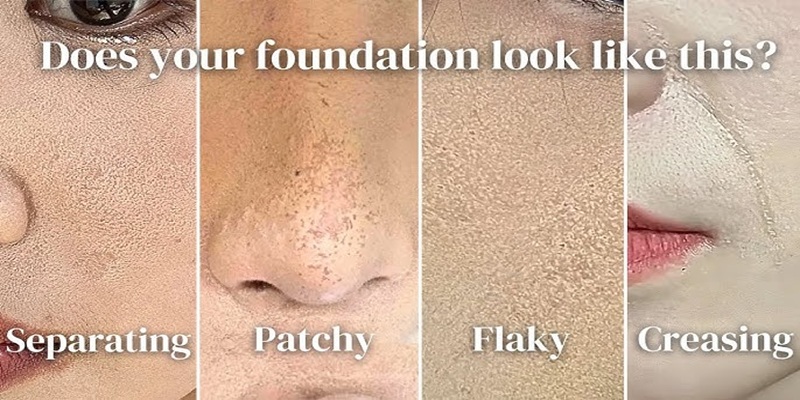
If your skin feels greasy on the surface but tight underneath, or if your foundation cracks and looks patchy by midday, you’re dehydrated. Try a gel mask with hyaluronic acid or niacinamide. Avoid heavy cream masks with coconut oil or shea butter.
What ingredients should I look for?
For pure hydration: hyaluronic acid, glycerin, aloe vera, panthenol (vitamin B5), sodium PCA.
For barrier repair: ceramides, squalane, shea butter, fatty acids.
For sensitive skin: oat kernel extract, allantoin, centella asiatica.
Avoid: denatured alcohol, strong essential oils (peppermint, eucalyptus, citrus), and heavy fragrance.

Do DIY hydrating masks work?
Some do, but with limits. Honey is a natural humectant – apply a thin layer for 15 minutes, rinse. Plain yogurt (with no sugar or flavor) contains lactic acid and milk fats. Mashed avocado or banana adds oils and starches.
These won’t hurt, but they’re less concentrated than store-bought masks, and they don’t have preservatives (so use immediately and don’t store leftovers). If you have acne-prone skin, stick to non-comedogenic options like honey or aloe gel from a fresh leaf.
Can a hydrating mask reduce fine lines?
Yes, but only the fine lines caused by dehydration – those tiny crisscross lines on your forehead or around your mouth when your skin is dry. Deep wrinkles from aging or sun damage won’t go away. Think of it as temporary plumping, not a facelift.
Are overnight masks safe for everyone?
Most are, but check the ingredient list. Some overnight masks contain silicones that can feel heavy. If you’re prone to closed comedones (those small, flesh-colored bumps), try a rinse-off mask first. Also, don’t layer an overnight mask over a retinol or strong acid – that can cause irritation.
Can men use hydrating masks?
Of course. Men’s skin tends to be thicker and oilier, but it still loses water after shaving, sun exposure, or harsh weather. A simple gel or sheet mask after shaving can reduce razor burn and tightness. Many brands now make fragrance-free, no-nonsense masks that don’t feel like a “beauty” product.
Will a hydrating mask clog my pores?
Most won’t. Look for “non-comedogenic” on the label. Gel and sheet masks are almost always safe. Cream masks can be fine as long as they don’t contain coconut oil, cocoa butter, or isopropyl myristate. When in doubt, do a patch test on your jawline for a few nights.
Hydrating mask vs. moisturizer – do I need both?
Yes, but think of them differently. Your moisturizer is daily maintenance – a steady, low-dose supply of water and oils. A hydrating mask is a high-dose treatment for when your skin needs extra help. You don’t stop brushing your teeth just because you use mouthwash occasionally. Same idea.
Can I use other products right after a mask?
Yes. After rinsing or removing the mask, apply any serums (vitamin C, niacinamide, peptides) while your skin is still damp, then lock everything in with moisturizer and sunscreen (in the morning). The mask makes your skin more permeable, so actives absorb better. But skip strong exfoliants or retinols on the same night – that’s too much.
A Few Things Nobody Tells You About Hydrating Masks
Cold masks work better for puffiness. Keep a gel mask in the fridge. The cold constricts blood vessels, which reduces morning puffiness and soothes redness.
Don’t let sheet masks dry out completely. If you leave one on for 30+ minutes until it feels papery, it can actually pull moisture out of your skin instead of adding it. Stick to 15–20 minutes.
Leftover serum from sheet masks can be used on your neck, hands, or chest. Don’t save it for the next day – it has no preservatives once opened.
You don’t need expensive masks to see results. A $3 sheet mask with sodium hyaluronate (a form of hyaluronic acid) works almost as well as a $15 one. The difference is usually fragrance, texture, or sheet material, not effectiveness.
Putting It All Together
A hydrating face mask won’t transform your skin overnight, but it’s one of the few skincare products that delivers noticeable results in a single use. The key is using it correctly – not too often, not too rarely – and pairing it with a solid daily moisturizer and sunscreen.
If your skin feels tight, looks dull, or suddenly seems older than it did a month ago, dehydration is likely the real problem. A good mask won’t fix everything, but it will fix that.