



Over the past five years, sales of natural deodorants have grown more than 30% year over year in the U.S. alone. Walk into any Target or Whole Foods, and you'll see shelves filled with brands like Native, Schmidt's, Meow Meow Tweet, and Crystal. What's driving this shift? Mostly, people are reading ingredient labels and not liking what they find in conventional sticks and sprays.
Standard antiperspirants and deodorants typically contain aluminum compounds (like aluminum chlorohydrate or aluminum zirconium), parabens, propylene glycol, and synthetic fragrances. Aluminum works by physically blocking sweat ducts — effective, but also something many people now question.
While no major health agency has banned aluminum in deodorants, the concern comes from studies suggesting aluminum can be absorbed through skin and may mimic estrogen in the body. The European Union limits aluminum in cosmetics, but the FDA still considers it safe.
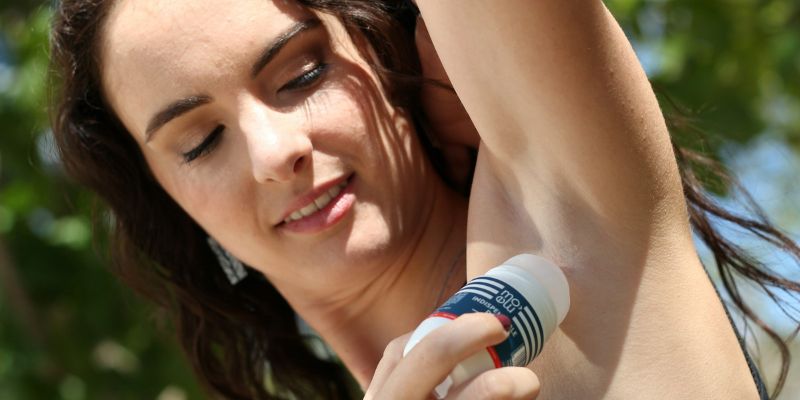
Natural deodorants skip aluminum and instead use ingredients like baking soda, arrowroot powder, magnesium hydroxide, and essential oils. They don't stop sweat — because sweating is how your body cools down. They work by making your underarm skin less hospitable to the bacteria that turn sweat into body odor.
If you've ever tried a natural deodorant and felt it didn't work, you're not alone. But often the issue is choosing the wrong formula for your skin type or not giving your body enough time to adjust. This guide walks you through exactly how to pick one that works for you.
How Sweat and Body Odor Actually Work
Your armpits contain two types of sweat glands: eccrine and apocrine. Eccrine glands produce the watery sweat that covers most of your body — it's mostly salt and water and has almost no smell. Apocrine glands, found mainly in your armpits and groin, produce a thicker, milky fluid rich in proteins and fats. That fluid itself is odorless.
The smell happens when bacteria on your skin — particularly Corynebacterium and Staphylococcus species — break down those proteins and fats into smaller molecules. The main culprits are compounds called thioalcohols and short-chain fatty acids. One of them, 3-methyl-2-hexenoic acid, smells like sweaty socks. Another, 3-hydroxy-3-methylhexanoic acid, adds that onion-like note.
Conventional antiperspirants target the source by clogging sweat ducts with aluminum salts. This reduces the amount of apocrine sweat available for bacteria to feed on. But it also means your body can't cool itself as efficiently through your armpits — not a big deal for most people, but athletes and people in hot climates may notice a difference.
Natural deodorants take a different route. They don't touch your sweat glands. Instead, they:
Raise or lower the pH of your armpit skin (baking soda makes it more alkaline, which many odor bacteria don't like)
Absorb moisture with powders like arrowroot, tapioca starch, or cornstarch
Add antibacterial essential oils like tea tree, eucalyptus, or lavender
Use mineral salts (potassium alum) to create a thin barrier that bacteria struggle to grow on
This means you'll still sweat. But the sweat won't smell as strongly, and the extra moisture is absorbed by the powders.
What to Look for in Natural Deodorant Ingredients
The best natural deodorants keep their ingredient lists short and understandable. You should be able to recognize most items without a chemistry degree.
Effective Natural Ingredients
Baking soda (sodium bicarbonate)
Works by neutralizing acidic odor compounds and creating an alkaline environment that bacteria dislike. It's cheap and effective. But about 10-15% of people find it irritating, especially if they apply it right after shaving. If your armpits sting or turn red within hours of applying a baking-soda deodorant, you need a baking-soda-free formula.
Arrowroot powder, tapioca starch, or cornstarch
These fine powders absorb moisture without feeling sticky. Arrowroot is the most popular in natural deodorants because it mixes well with oils and doesn't leave a white residue on dark clothes. Cornstarch works similarly but can sometimes feed yeast if you're prone to fungal rashes.
Magnesium hydroxide
A gentler alternative to baking soda. It's alkaline but less harsh on skin. Many people who can't tolerate baking soda do fine with magnesium-based deodorants. Brands like Primally Pure and Routine use it as their main odor-fighting ingredient. Bonus: magnesium may help calm skin inflammation.
Shea butter and coconut oil
These are the base of most cream-style natural deodorants. Coconut oil has natural antibacterial properties thanks to lauric acid. Shea butter provides slip so the product spreads easily. Both moisturize, which matters because shaving or waxing your armpits strips away natural oils.
Essential oils
Tea tree, lavender, rosemary, eucalyptus, lemongrass, and peppermint oils add scent and kill bacteria. Tea tree oil is one of the most studied — research shows it's effective against Staphylococcus aureus and E. coli. But essential oils can cause contact dermatitis, especially if you have sensitive skin or spend time in the sun (citrus oils are photosensitizing). Unscented versions exist for a reason.
Zinc oxide
The same ingredient in diaper rash cream and sunscreen. Zinc oxide has mild antibacterial properties and soothes irritation. You'll find it in some natural deodorants marketed for sensitive skin, though it can leave a white cast.
Beeswax or candelilla wax
Added to stick deodorants to give them structure. Candelilla wax is the vegan alternative. Neither fights odor directly.
What to Avoid
Even in "natural" products, watch for:
Propylene glycol: a humectant that can irritate skin. It's not toxic, but many people prefer to skip it.
Fragrance (parfum): this umbrella term can hide phthalates, which some studies link to hormone disruption. "Natural fragrances" aren't necessarily safer — they can still contain allergens.
Triclosan: an antibacterial agent banned from soaps in the U.S. but still allowed in some deodorants. It contributes to antibiotic resistance.
Denatured alcohol: added to make deodorants dry faster, but it strips skin and worsens irritation.
Benefits of Switching (Beyond "Clean Ingredients")
Fewer Skin Reactions
People with eczema, psoriasis, or general sensitivity often find natural deodorants less irritating — once they find the right formula. The key is avoiding baking soda and strong essential oils. Brands like Vanicream (aluminum-free but not strictly "natural") and Little Seed Farm offer gentle options. One 2019 survey of 1,000 natural deodorant users found that 73% reported less underarm itching and redness after switching, compared to their previous conventional products.
No Yellow Stains on White Shirts
Aluminum in antiperspirants reacts with your sweat to form yellow, waxy buildup on fabric. Those stains are nearly impossible to remove. Natural deodorants without aluminum won't cause yellow stains. They can leave white marks from powders or grease stains from coconut oil if you apply too much. A thin layer rubbed in well solves both problems.
Less Plastic Waste
A standard plastic deodorant stick takes about 500 years to decompose. Many natural brands now use cardboard tubes (like By Humankind), glass jars (Meow Meow Tweet), or compostable paperboard (No Tox Life). Some offer refillable stainless steel containers. If you use one stick every two months, switching to a plastic-free option keeps six plastic containers out of landfills each year.
No Parabens or Phthalates
Parabens (methylparaben, propylparaben, butylparaben) are preservatives that some studies have detected in breast tissue samples. The link to breast cancer is not proven, but the European Union has banned five parabens. Phthalates, used to make fragrance last longer, are known endocrine disruptors. Natural deodorants don't need either.
The Adjustment Period: What Actually Happens
Here's something most natural deodorant brands don't tell you clearly: the first two to four weeks can be rough.
When you stop using an antiperspirant, your sweat glands reopen. You'll sweat more than you're used to — not because the deodorant is "detoxing" toxins (your liver and kidneys handle that), but because nothing is blocking the ducts anymore. More sweat means more food for bacteria. More bacteria activity means stronger odor, at least temporarily.
Your skin microbiome also needs time to shift. Antiperspirants and conventional deodorants change the balance of bacteria living on your armpits. Studies show that people who use antiperspirants have fewer Corynebacterium (the main odor producers) but more Staphylococcus species. When you stop, the populations readjust. During this readjustment, you might notice new smells.
What helps during the adjustment period:
Wash your armpits twice daily with mild soap
Exfoliate once or twice a week with a washcloth or gentle scrub to remove deodorant buildup
Apply natural deodorant to completely dry skin (damp skin can breed bacteria faster)
Wear breathable fabrics like cotton, linen, or merino wool
Keep a travel-sized deodorant in your bag for midday reapplication
Drink more water — dehydration concentrates sweat, making odor stronger
If after four weeks you still have strong odor or irritation, try a different formula. Not all natural deodorants work for all people.
How to Pick the Right One for Your Body
For Sensitive Skin (Baking Soda Reaction)
Look for "baking soda free" clearly marked on the label. Alternatives include:
Magnesium hydroxide (Brands: Native Sensitive, Primally Pure Sensitive, Routine Sugar Cookie)
Zinc oxide (Brands: Green Beaver Sensitive, Attitude Sensitive)
Potassium alum (Crystal deodorant — a single mineral salt stick that lasts over a year)
For Heavy Sweating or Physical Jobs
You'll need stronger moisture absorption. Look for formulas with arrowroot powder, tapioca starch, or kaolin clay near the top of the ingredient list. Brands like Mega Babe (The ReFresh) and Lume (which uses mandelic acid to control odor for up to 72 hours) are designed for active people. Apply twice daily — morning and before bed.
For Very Little Body Odor Naturally
You may only need a light deodorant with minimal ingredients. A simple crystal stick (just potassium alum) or a baking-soda-free cream might be plenty. Many people with the ABCC11 gene variant (common in East Asian populations) produce almost no underarm odor at all and can use just a dusting of cornstarch.
For Eczema or Active Rashes
Avoid essential oils and baking soda. Stick to completely unscented products with short ingredient lists. Vanicream Anti-Perspirant/Deodorant (aluminum-free but not "natural" by strict definitions) and Cleure are good options. Patch test any new product on the inside of your elbow for three days before applying to your armpits.
Do Natural Deodorants Really Work as Well?
Yes and no.
For about 80% of people, after the adjustment period, a good natural deodorant controls odor just as well as conventional products. But "just as well" means different things. If you're used to an antiperspirant that completely stops sweat and odor for 24 hours, a natural deodorant will feel different because you'll still sweat. That's not failure — that's the product doing what it's supposed to do.
Where natural deodorants fall short for some people:
Extreme heat or high-intensity exercise (you may need to reapply every 4-6 hours)
Hormonal changes (pregnancy, menopause, or thyroid issues can change your body chemistry and make your usual deodorant stop working temporarily)
Certain medications (antibiotics can alter your skin microbiome)
If you try three different natural brands (giving each at least two weeks) and none work for you, there's no shame in sticking with a conventional aluminum-free deodorant like Arm & Hammer Essentials or Tom's of Maine. The goal is finding something you'll actually use every day.
Frequently Asked Questions
Is natural deodorant as effective as regular deodorant?
For odor control, yes — after your skin adjusts. For stopping sweat, no. Regular antiperspirants block sweating; natural deodorants don't. If you're okay with sweat as long as it doesn't smell, natural deodorant works fine.
Will natural deodorant stop me from sweating?
No. That's the point. Sweating is how your body cools itself. Antiperspirants interrupt that process. If you live in a hot climate or exercise often, allowing yourself to sweat is actually healthier.
How long does the adjustment take?
Two to four weeks on average. Some people notice improvement in one week; others take six weeks. If you still have strong odor after six weeks, try a different formula rather than waiting longer.
Is baking soda safe for sensitive skin?
It's safe, but it can sting or cause a red rash if you have sensitive skin. About one in seven people can't tolerate baking soda in deodorant. Baking-soda-free versions use magnesium hydroxide or zinc oxide instead.
Can natural deodorant cause rashes?
Yes, for three reasons: baking soda irritation, allergic reaction to an essential oil, or contact dermatitis from a preservative like potassium sorbate. Stop using the product and try a simpler formula with fewer ingredients.
What if my natural deodorant stops working after a few months?
Your skin microbiome can adapt. Try rotating between two different brands (for example, a baking-soda formula one week and a magnesium-based one the next). Exfoliating your armpits also helps remove buildup that can block the deodorant from contacting your skin.
Does natural deodorant stain clothes?
No yellow stains (those come from aluminum). But coconut oil and shea butter can leave greasy marks on light fabrics. Apply a thin layer and let it absorb for 30 seconds before putting on a shirt. Washing with hot water and a degreasing dish soap usually removes the marks.
Can men use natural deodorant?
Yes. Body odor isn't gender-specific. Many brands sell unisex scents (cedar, sandalwood, bergamot, unscented). Men may need stronger formulas because they typically have more apocrine sweat glands, but the same ingredients work for anyone.
Is natural deodorant safe during pregnancy?
Most are safe, but avoid essential oils like clary sage, jasmine, and cinnamon bark, which can stimulate contractions in high doses. Stick to unscented or mild lavender formulas. Check with your OB-GYN if you're unsure.
How can I make it last through a full day?
Apply to clean, completely dry armpits
Rub it in until you can't see any white residue
If you're using a cream or balm, use less than you think you need — a pea-sized amount per armpit
Reapply after swimming or heavy sweating
Keep a mini deodorant in your car or work bag for long days
Finding Your Match Takes a Few Tries
No single natural deodorant works for everyone. Your skin chemistry, sweat level, diet, and even the climate you live in affect how a product performs. What works for your friend might give you a rash. What works in winter might fail in summer.
Start with one baking-soda-based formula and one baking-soda-free formula. Use each for two weeks. Keep a simple log — less odor? More irritation? Stains? After four weeks, you'll know which direction to go.
Brands worth trying across different price points:
Under $10: Tom's of Maine, Crystal, Native (travel size)
$10–15: Schmidt's, Meow Meow Tweet (glass jar), Mega Babe
$15–20: Primally Pure, Routine, Lume
Plastic-free options: By Humankind (cardboard), No Tox Life (paperboard), Ethique (compostable)